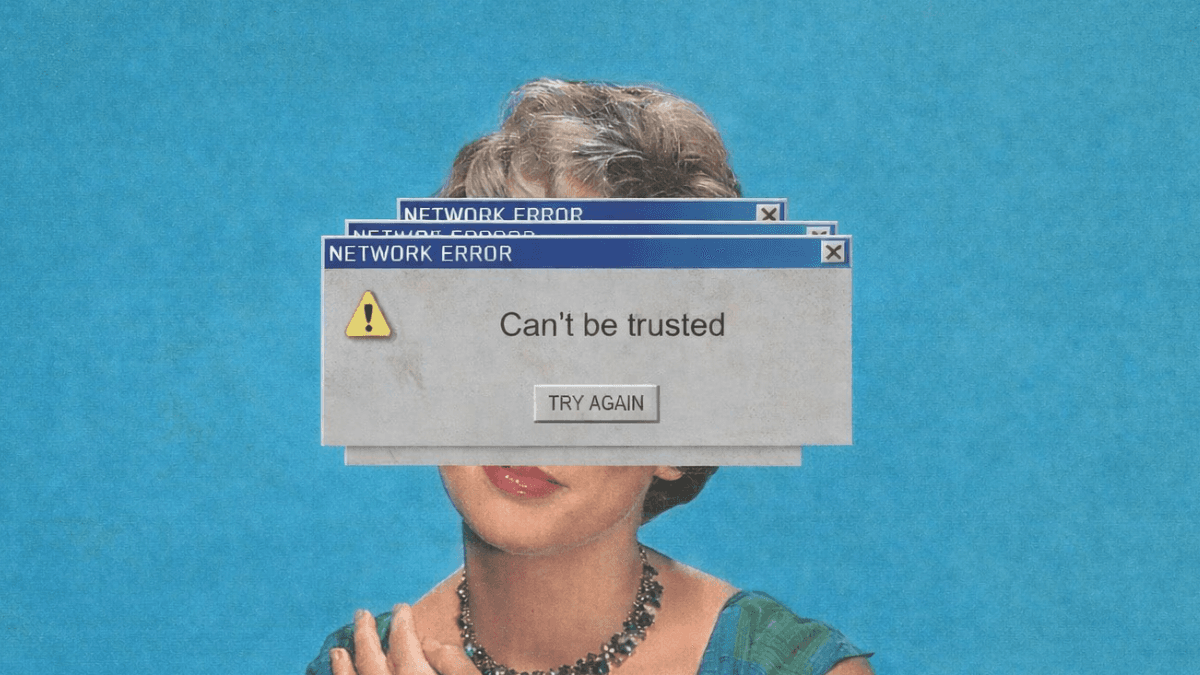
MoltID is being positioned as an identity layer for AI agents on Solana.
Put simply, the pitch is this: if software agents are making decisions and moving money, people need a reliable way to know which agent they are dealing with.
That sounds technical, but the core question is familiar: can this system be trusted?
What is clear so far
Public Molt documentation describes a Solana-based setup where a .molt domain can anchor agent-related identity data on-chain. In theory, that can help users and apps separate serious agents from anonymous or copycat bots.
It is important to be clear: there is still limited independent public reporting on real-world usage at scale. That means this should be treated as early infrastructure, not a proven standard yet.
Read Molt documentation
Why this matters beyond developers
For non-technical readers, identity layers matter for three practical reasons:
- They can make it easier to see who did what.
- They can help reduce fake or impersonated agents.
- They can give users more confidence before they let software act on their behalf.
In short, this is about accountability, not just technology.
The market reaction: excitement and doubt
The reaction online has split into two clear camps.
Supporters say this is exactly the missing piece for an economy where AI agents pay, trade and coordinate with each other on-chain.
Critics say identity claims are easy to publish and hard to prove in real-world conditions. They point to familiar risks: weak security setups, poorly controlled automation, and low user adoption.
Both views can be true at once. The idea may be useful, but the hard test is whether people use it and whether it improves outcomes.
A wider Solana and AI trend
Even if MoltID itself is early, the direction is clear: Solana projects are increasingly trying to connect AI automation with stronger trust tools. Identity, permissions and audit trails are becoming part of that conversation.
That reflects a wider shift across crypto, where teams are moving from headline claims toward infrastructure that can support day-to-day use.
What to watch next
The key signs to watch are straightforward:
- live integrations that ordinary users can test
- evidence that the system cuts fraud or mistakes
- steady usage over time, not one-week spikes
Until those signals appear, MoltID should be treated as an early claim with potential, not a settled standard.